
How to Choose the Right Contractor in Pittsburgh, PA
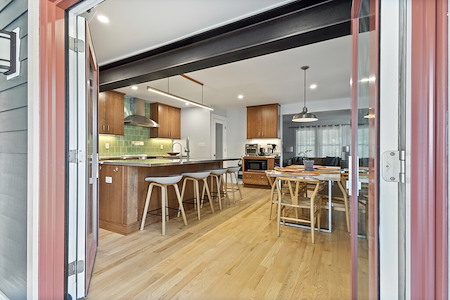
Hiring a Pittsburgh contractor is a big decision. The right choice brings clear communication, quality work, and a smooth experience. The wrong choice leads to delays and stress. Use this guide to evaluate credentials, check references, and understand estimates so your project moves forward with confidence.
If you already have a project in mind, explore our residential construction services to see how Patina Construction & Development, LLC plans and manages home remodels across the Pittsburgh area.
What Makes a Great Pittsburgh Contractor
Great contractors are easy to reach, transparent, and organized. They provide written documents, share project photos, and explain the plan in plain language. They also respect your neighborhood and your schedule, from Lawrenceville rowhouses to family homes in Mt. Lebanon, Fox Chapel, and Wexford.
Look for a team that shows up prepared. That includes a clear scope, a proposed timeline, and a point of contact who answers questions quickly. Consistency in communication is one of the strongest signals you can trust a contractor.
How to Vet a Licensed Contractor
Start with basic verification. Confirm the company is properly registered to perform home improvement work in Pennsylvania and that it carries active general liability and workers’ compensation insurance. Ask for certificates and read the policy dates.
References matter. Request recent Pittsburgh-area references and speak to them. Ask about schedule, cleanliness, and how the team handled surprises. A short call with a past client tells you more than a dozen ads.
- Request proof of insurance and business registration
- Ask for 2–3 recent local references you can call
- Review recent project photos similar to your scope
- Confirm who will be on site and who manages subcontractors
Finally, confirm that the contractor will pull permits when required for your scope. Rules vary by municipality, so you want a pro who understands local processes and inspections.
How to Read and Compare Estimates
Good estimates are detailed and written. They outline scope, materials, and timeline. They also list what is excluded so you know where assumptions end. Think of an estimate like a recipe. If ingredients and steps are missing, the outcome will be unpredictable.
When you compare two or three estimates, look beyond the total. Compare apples to apples: materials, allowances, and the number of site visits. A low number is not helpful if it hides vague scope or missing items.
Key Areas to Review in Every Estimate
Scope line items. Look for room-by-room or task-by-task details. “Remodel kitchen” is not specific. “Demo existing cabinets, install new cabinets, quartz counters, tile backsplash, paint walls” is clear.
Allowances and selections. If allowances are included for tile, fixtures, or flooring, confirm the brands or price ranges. This prevents surprise upgrades later.
Schedule and milestones. Ask for an expected start window and major milestones like demo, rough-in, finish work, and final punch list.
Change order process. Changes happen. A clean, written process protects everyone and keeps momentum.
Red Flags to Avoid in Pittsburgh
- No written estimate or contract
- Only verbal timelines or unclear schedules
- Vague scope with few line items
- Pressure to decide today or pay a large deposit right away
- Unwilling to share references or proof of insurance
Seasonal weather and busy calendars can affect schedules here. Anyone who guarantees exact dates before selections, permits, and site conditions are confirmed is making a promise they may not control. Look for realism and planning instead of hard promises too early.
Local Factors Pittsburgh Homeowners Should Consider
Pittsburgh homes vary widely, from brick century homes in Squirrel Hill and Bloomfield to newer builds in Cranberry Township and Upper St. Clair. Older homes often reveal hidden conditions once walls open, like dated wiring or framing repairs. A quality contractor builds time for discovery and explains options before moving forward.
Site access matters in hilly neighborhoods. Tight alleys and on-street parking can affect dumpster placement and deliveries. Your contractor should plan logistics and communicate with you and your neighbors ahead of time. Clear site planning prevents avoidable delays and keeps the project respectful of the block.
Timeline, Communication, and Jobsite Standards
Ask how your contractor communicates and how often. Weekly updates with photos or a quick summary go a long way. You should know what happened last week, what is happening this week, and what decisions are due next.
What Professional Communication Looks Like
One point of contact. You should know who to call. That person should reply within a reasonable window.
Shared decision tracker. A simple list of pending selections keeps choices moving and avoids delays waiting on answers.
Clean jobsite habits. Daily end-of-day cleanup, safe material storage, and floor protection show respect for your home.
How to Weigh Value, Not Just Price
Value is the blend of quality, schedule, and service. Two estimates may look similar, but the team that plans better often finishes sooner and with fewer surprises. If a proposal includes a clear schedule, daily standards, and a defined process for changes, you are paying for fewer headaches.
It is also fair to ask about warranty terms and post-completion support. Who handles a loose cabinet pull in month three, or a drywall touch-up after a season change? The best contractors define that support upfront so you are never left guessing.
References That Reveal the Real Story
When you call references, ask about communication, schedule, and how the team handled punch list items. Did they keep dust under control in an occupied home? Did they protect stairs and flooring? Did the final walkthrough resolve remaining details?
You can also ask to see a recent project if the homeowner is open to it. Even a short visit helps you gauge finish quality and clean work habits that photos might miss.
Contract Essentials Before You Sign
Your contract should spell out scope, payment schedule tied to milestones, and a process for changes. It should also name the party responsible for permits and inspections where required. If you are in a neighborhood with guidelines, confirm your contractor will help you coordinate with your HOA or local reviewers.
Contracts protect both sides. If a term feels unclear, ask for it to be rewritten in plain language before you sign. A contractor who values clarity will welcome the request.
Where to Start if You Are Still Deciding
Review your scope and your must-haves. Gather photos or a simple wishlist. Then interview two or three firms and compare how they explain the work. If you want a sense of process, look at our approach to home remodeling services and how projects move from planning to final walkthrough.
You can also learn more about our team and recent work on the site. If you prefer to start broad, the homepage is a useful overview of a Pittsburgh contractor that manages renovations across the city and nearby suburbs.
Make Your Choice With Confidence
Choosing a contractor is about trust, planning, and fit. When you verify credentials, talk to references, and review a detailed estimate, you reduce risk and set your project up for success. If you are ready to talk through your goals, Patina Construction & Development, LLC is here to help.
Call us at 412-518-2478 to discuss your vision or request a project review. When you are ready to move forward, our team will map out next steps, confirm selections, and align the schedule so your remodel stays on track from day one. Contact us for your residential and commercial building contractor needs in Pittsburgh.
Contact Our Remodeling & Building Contractors In Pittsburgh For A Quote Today!