
Is Your Basement Ready for Pittsburgh’s Spring Rains? Basement Waterproofing in Pittsburgh
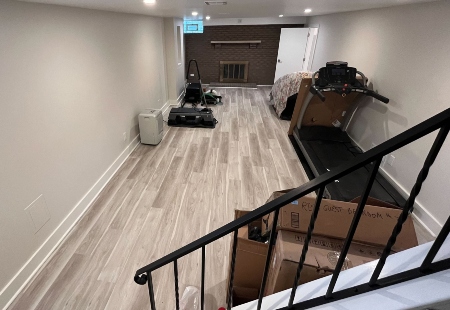
When snowmelt and spring storms hit the Three Rivers, basements feel it first. If you plan to finish your space, start with moisture control and basement waterproofing Pittsburgh homeowners can trust. Older houses from Squirrel Hill to Mount Washington often hide issues that show up only when the ground is saturated. Fixing water problems before design choices protects your investment and your family’s comfort.
Before you pick flooring or paint, make sure your lower level is dry, stable, and well-ventilated. If you are thinking about a fresh layout, see how a basement remodel pairs with modern waterproofing to create a space that lasts.
Why Spring Rains Stress Pittsburgh Basements
Pittsburgh sits on hills with clay-heavy soils that hold water. As the ground swells, hydrostatic pressure pushes moisture through the tiniest gaps. Freeze-thaw cycles open hairline cracks even wider. Homes in Shadyside, Bloomfield, and the South Hills often combine older foundations with tight lots where water has few places to go.
Roof runoff adds to the load. Short downspouts, clogged gutters, or negative grading send gallons straight to your foundation. During a fast storm along the Allegheny or Monongahela valleys, that extra water can overwhelm a worn sump pump and seep across slab edges.
Why Basement Waterproofing Pittsburgh Matters In Spring
Spring is when minor issues become big headaches. That musty smell after a rain, flaking paint, or a small puddle near a corner wall is your warning light. Moisture does not stay small for long. Once finishes go in, leaks often move behind walls where you cannot see them, feeding mold and damaging trim, cabinets, and flooring.
The Big Four Risks In Older Pittsburgh Homes
1) Water Seepage Through Walls And Joints
Fieldstone, brick, and older block walls breathe differently than modern poured concrete. Mortar joints and cold joints at the slab-to-wall connection are common entry points. Efflorescence, that white powdery crust, is the residue left behind when water evaporates and minerals stay.
2) Foundation Cracks
Hairline cracks from seasonal movement or settling are typical in neighborhoods like Lawrenceville and the North Hills. They may look harmless but can widen with pressure and let in water during storms. Never ignore a crack that changes size or leaks during rainfall. Proper evaluation determines if a structural repair or a sealed, reinforced fix is best.
3) Poor Grading And Surface Drainage
Yards that slope toward the house or patio slabs that tilt inward push water right to your foundation. Downspouts that discharge at the base of the wall can act like open hoses during heavy rain. Correcting slope and routing water away protects both the basement and landscaping.
4) Outdated Or Undersized Sump Pumps
Older pumps without alarms, check valves, or battery backups can fail at the worst time. A simple power outage during a thunderstorm can flood a finished space. Homes in Fox Chapel and the West End that rely on a single, aging pump are especially vulnerable during spring downpours.
How To Know Your Basement Is Vulnerable
You do not need a storm to spot early warning signs. Look for small clues that point to larger patterns. If you notice any of the following, it is time to plan moisture control before remodeling.
- Musty odor that lingers after rain or snowmelt
- White crust (efflorescence) or damp lines on walls
- Peeling paint, soft baseboards, or swollen door casings
- Rust on metal posts or appliances near the floor
- Thin cracks that darken or weep during a storm
These signs tell us water is moving where it should not. A careful assessment maps how surface water, roof runoff, and groundwater pressure interact around your home.
Prevention That Protects Your Remodel
Moisture control is a system, not a single product. The right plan often combines outside drainage improvements with selective interior protections. The goal is to relieve pressure, redirect water, and seal predictable paths. Once the structure is dry and stable, finishing materials stand a real chance to perform for years.
When you are ready to design your new family room, office, or guest suite, pair layout decisions with protective measures through a coordinated basement remodeling services approach. This alignment keeps your schedule on track and limits rework.
Smart Upgrades For Dry, Healthy Basements
- Interior drainage that collects wall and slab edge moisture before it reaches finishes
- Sump pump with high-capacity basin, sealed lid, check valve, and battery backup
- Sealed, insulated egress windows that resist wind-driven rain and meet safety needs
- Rigid insulation or foam panels rated for below-grade use to help manage condensation
- Continuous dehumidification tied to a drain so buckets are never an issue
- Moisture-tolerant flooring choices designed for below grade, paired with proper subfloor systems
Thoughtful upgrades support better air quality and durability. They also protect built-ins, media walls, and storage that your family relies on.
Pittsburgh Neighborhood Considerations
Each part of the city brings its own basement challenges. In Mount Washington and Beechview, steep slopes and fast runoff require extra attention to downspout extensions and grading. In Point Breeze and Regent Square, mature trees and older clay drain tiles can clog easily, sending water toward foundation walls.
Along river flats and low-lying blocks near the Ohio, shallow water tables mean storm surges arrive quickly. Homes in Crafton, Greenfield, and Swissvale often see issues at window wells and walkout doors when storm drains back up. A plan that matches your lot, soil, and structure reduces surprises later.
Coordinating Waterproofing And Design
Protect first, then beautify. That is how Patina Construction & Development, LLC treats a basement project. Our team sequences grading fixes, crack sealing, and drainage improvements before framing and finishes. We coordinate mechanicals, insulation, and ventilation so the whole space works together in all four seasons.
If you are exploring options, our residential remodeling category shows how basements connect with kitchens, baths, and additions upstairs. Making the right choices below grade supports comfort and value throughout the home.
How We Handle Foundation Crack Repair In Pittsburgh
Not all cracks are equal. Some are shrinkage lines, others reflect movement or outside pressure. We look at width, pattern, and moisture activity to determine the best repair. In many cases, a reinforced seal and pressure-relieving drainage stop repeat leaks. Where movement is active, structural solutions may be needed so finishes stay intact.
Sealing the symptom without easing water pressure invites a repeat leak. The right sequence fixes the cause and the path, so your new walls, trim, and floors remain dry through spring and beyond.
Surface Water Control: Grading, Gutters, And Downspouts
Many wet basements start at the roofline. Clean gutters, correct slopes, and proper discharge distances reduce demand on interior systems. In tight city lots, we plan routing that keeps peace with neighbors and landscaping while moving water safely downhill.
When landscaping changes or patios settle, we recheck the pitch to be sure water continues to move away from the house. That small detail pays off during those quick, heavy showers Pittsburgh gets in April and May.
Sump Pump Strategy For Spring Storms
An effective sump system is more than a pump. Size of the basin, sealed lids, check valves, and alarm monitoring make a difference when every minute counts. Battery backup protects you during lightning and wind events that trip breakers or take down lines.
For families finishing playrooms or guest suites, a quiet, sealed sump helps control humidity and odor. It also keeps radon mitigation pathways intact if they are part of your home’s plan.
Planning Your Basement Remodel After Waterproofing
Once the space is dry and stable, design can take the lead. We help you choose layouts and materials that fit how you live in Pittsburgh. Think window placement for winter light, storage for gear, and durable finishes ready for four-season use. If a storm tests your home, your investment remains protected.
When you are ready, explore a full basement remodel that integrates moisture control with comfort, lighting, and smart storage. This approach helps you avoid pulling out brand-new finishes to chase a hidden leak later.
What To Expect When You Work With Us
We begin with a careful walkthrough and moisture assessment. Then we present a clear scope that sequences waterproofing and remodeling steps. Communication stays simple and direct so you always know what is next. Our crews respect your home and keep the site orderly from start to finish.
If you are searching for basement waterproofing pittsburgh to pair with design and build, our team brings both under one roof. That means fewer handoffs, fewer delays, and results that look good and stay dry.
Ready Before The Next Spring Storm
Spring rains test every basement in Pittsburgh. You can be ready. Start with a moisture-first plan, address cracks, manage surface water, and upgrade your sump system. Then finish the space with confidence, knowing you built on solid ground.
Talk with Patina Construction & Development, LLC about protecting and transforming your basement this season. Call us at 412-518-2478 to schedule a consultation or learn how our process works. If you are planning to finish your lower level soon, let our team guide you with proven steps and local experience.
Contact Our Remodeling & Building Contractors In Pittsburgh For A Quote Today!