Remodeling Historic Pittsburgh Homes: How to Preserve Character While Modernizing with Precision
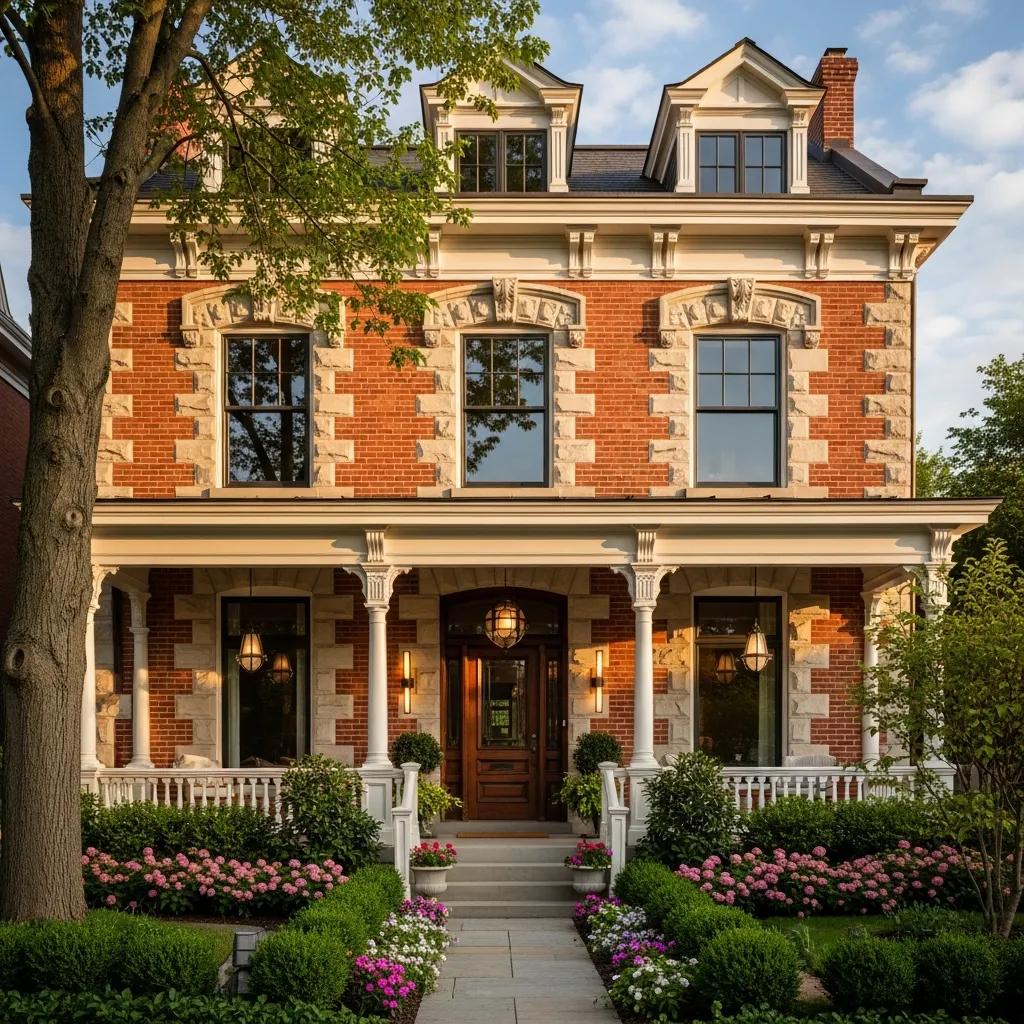
Remodeling a historic home in Pittsburgh requires careful coordination between preservation standards, modern building codes, and thoughtful design decisions. The goal is not simply to update a space, but to integrate modern comfort in a way that protects architectural integrity and earns proper approvals before construction begins.
Historic renovations succeed when planning is deliberate and execution is disciplined, creating spaces that honor the past while meeting contemporary needs.
1. Start with an Architectural Assessment, Not a Design Wish List
Many historic remodeling challenges surface before drawings are finalized. Older homes often contain structural adjustments made over decades, layered electrical updates, and materials that are no longer standard.
A proper assessment evaluates:
- Material type
- Load-bearing framing conditions
- Electrical capacity and panel age
- Plumbing routing
- Window condition and restoration potential
- Masonry and exterior envelope integrity
Without this step, you risk making modernization decisions in isolation. When evaluation happens early, design choices align with what the structure can realistically support. This is where experienced oversight (and staying away from assumptions) matters.
2. Preserve What Defines the Home’s Identity
Not every original element requires preservation, but defining features should be treated intentionally. In Pittsburgh’s historic neighborhoods, character often lives in:
- Original millwork and staircases
- Plaster detailing
- Wood windows with distinctive proportions
- Brick façades and masonry craftsmanship
- Built-in cabinetry and trim profiles
Restoration typically adds more long-term value than replacement. Skilled refinishing, replication of missing trim profiles, and careful window rehabilitation maintain authenticity while improving performance. Precision craftsmanship is not aesthetic nostalgia; it is a time-tested protection for the home’s architectural language.
3. Modern Systems Must Be Integrated, Not Imposed
Upgrading HVAC, plumbing, and electrical systems is often necessary in homes built decades ago. The challenge is routing modern infrastructure without compromising historical details.
Successful integration considers:
- Concealed ductwork strategies
- Panel upgrades located discreetly
- Plumbing paths that avoid decorative plaster or original beams
- Fixture selections that complement period style
Modern comfort should feel seamless. Mechanical upgrades that visually dominate a room undermine the architectural narrative. When sequencing is thoughtful, systems enhance performance without competing with design.
4. Energy Efficiency Without Exterior Disruption
Energy upgrades should support preservation, not override it. Interior-focused improvements often provide meaningful gains without altering the façade and its character. These may include attic insulation upgrades, air sealing strategies, and high-efficiency mechanical systems.
In cases where window replacement is necessary, proportional accuracy matters: sightlines, muntin profiles, and material selection should reflect original design intent.
Understand Pittsburgh’s Historic Review Process
Homes within designated historic districts are subject to local review standards. Exterior alterations, window changes, masonry work, and additions may require approval before permits are issued. The review process typically evaluates material compatibility and visual impact on public streets, ensuring it aligns with surrounding architectural patterns.
Projects move more smoothly when documentation is thorough and design rationale is clear. Submitting incomplete drawings or unclear material selections often extends review timelines. Historic oversight is a framework that rewards preparation.
Common Missteps in Historic Remodeling
Historic projects encounter difficulties when they ignore structural realities or regulatory requirements. Frequent causes of delay include:
- Finalizing layouts before confirming load paths
- Ordering modern windows without verifying district guidelines
- Discovering outdated wiring mid-demolition
- Expanding scope without updating approvals
These issues can seem dramatic, but they are easily preventable through proactive coordination.
The Role of Pre-Construction Planning
The most successful home renovations, including historic building projects, are defined by the work completed before demolition begins:
- Detailed site evaluation
- Code and guideline research
- Permit sequencing
- Material sourcing for period accuracy
- Trade partner coordination
- Realistic scheduling buffers
Historic homes reward patience and precision. When this phase is rushed, construction becomes reactive. When it is methodical, installation feels controlled and predictable.
Bringing Modern Living into a Historic Framework
Pittsburgh’s historic housing stock offers unique craftsmanship that you rarely see today: solid wood framing, intricate millwork, and masonry details give these homes a lasting architectural presence. Modernizing Pennsylvania buildings does not require sacrificing that character; it requires understanding which elements carry historical significance and which systems can evolve without visual disruption.
When planning is deliberate and communication is clear, historic remodeling becomes an exercise in stewardship rather than compromise. The result is a home that maintains its architectural identity while supporting contemporary living — refined, efficient, and structurally sound.
Contact Our Remodeling & Building Contractors In Pittsburgh For A Quote Today!