Transform Your Kitchen: Expert Ideas for a Modern Pittsburgh Remodel
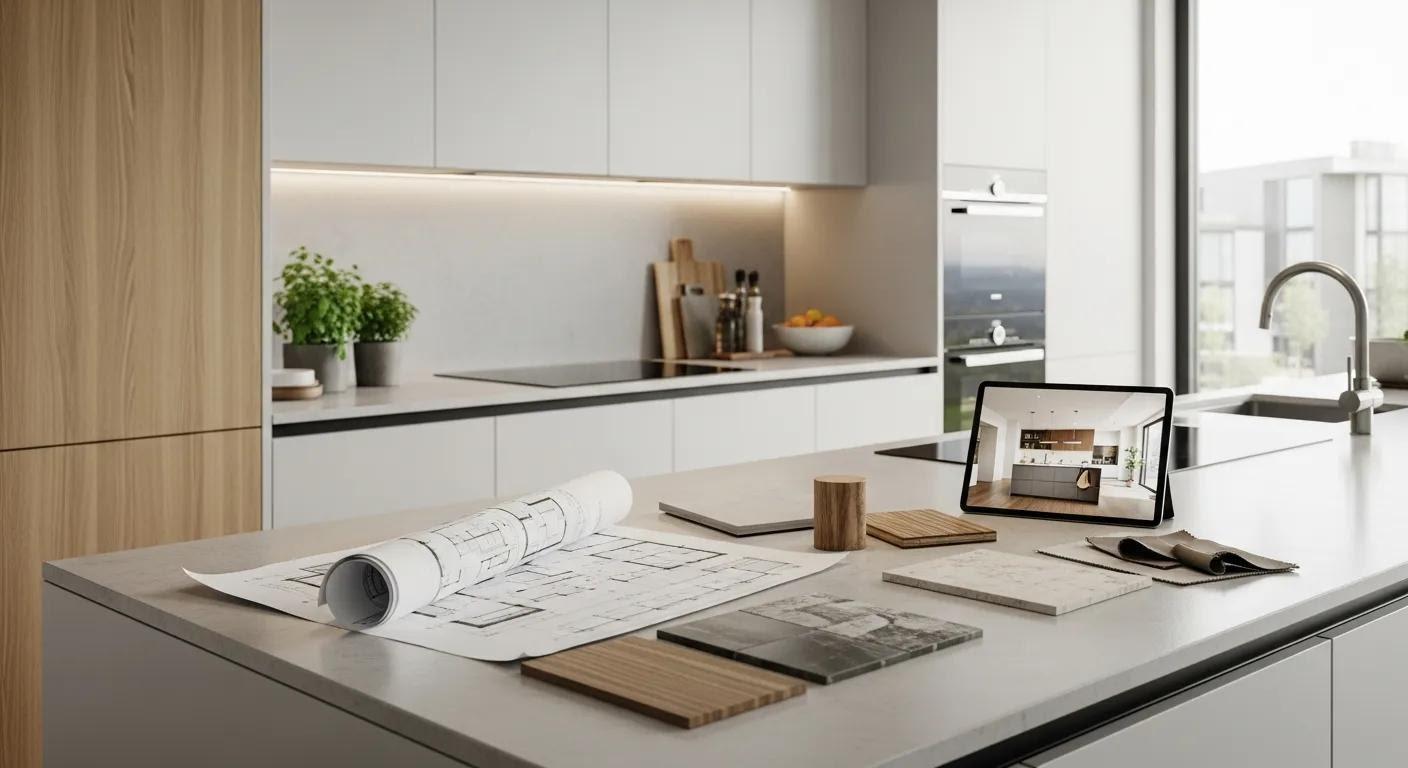
A modern kitchen blends efficient workflow, refined materials, and deliberate lighting to elevate daily living while increasing home value. This article shows Pittsburgh homeowners how modern kitchen design principles—open sightlines, integrated appliances, handleless cabinetry, and sustainable materials—translate into practical remodel decisions and measurable outcomes. Many homeowners struggle with choosing durable finishes, integrating smart appliances for serviceability, and estimating realistic costs for a local remodel; this guide addresses those pain points with contractor-aware advice and local context. You will find trend-driven inspiration for 2025, stepwise guidance for selecting cabinets and countertops, smart-appliance integration tips, layout planning strategies, layered lighting schemes, sustainability options suited to Pittsburgh, cost ranges tied to typical scopes, and examples of local projects that demonstrate craft and process. Throughout, semantic comparisons and EAV-style tables clarify trade-offs, while lists and checklists make decisions actionable. The goal is to equip you with design clarity and practical next steps so you can plan a modern kitchen remodel that meets aesthetic goals and real-world constraints.
What Are the Top Modern Kitchen Design Trends for 2025 in Pittsburgh?
Modern kitchen trends for 2025 emphasize clean lines, tactile finishes, and systems that improve daily use while preserving resale value. These trends work because they simplify maintenance, strengthen functional zones, and create a cohesive aesthetic that appeals to buyers in Pittsburgh suburbs. Implementing these trends requires balancing material performance in the regional climate with durable construction and thoughtful detailing. The result is a kitchen that reads as contemporary yet practical for family life and entertaining, which helps justify investment during resale.
Which contemporary styles define the 2025 modern kitchen scene and suit Pittsburgh homes? Minimalist and Scandinavian-influenced schemes prioritize light palettes, natural textures, and streamlined storage to brighten rowhouses and bungalow kitchens. A soft reinterpretation of Shaker—clean profiles with subtle recessed detail—offers warmth for traditional Pittsburgh homes that need a modern refresh without erasing character. Metallic accents and mixed metals appear as sparing highlights rather than dominant themes, preserving a contemporary feel while allowing vintage or industrial fixtures to integrate naturally.
How Do Handleless Cabinets and Matte Finishes Enhance Modern Kitchen Aesthetics? Handleless slab-door cabinets create continuous planes that visually expand space and reduce visual clutter, especially in open-concept layouts. Matte finishes minimize glare and show fewer fingerprints than glossy surfaces, improving perceived cleanliness and durability in family kitchens. From a functional perspective, handleless systems often pair with soft-close mechanisms and integrated drawer systems to enhance usability. Consider maintenance needs—matte surfaces can be slightly more revealing of oils on very dark finishes—and select finishes based on traffic and lighting conditions in the home.
Modern trends checklist — quick takeaways before planning:
- Keep profiles simple and prioritize storage systems that hide clutter.
- Combine matte finishes with tactile hardware or open shelving for balance.
- Integrate appliances behind panels for visual continuity and quieter operation.
These concise trend actions prepare you to choose cabinetry, countertops, and appliances with both modern style and practical durability in mind.
How Can You Choose the Best Cabinets and Countertops for a Modern Kitchen Remodel?
Choosing cabinets and countertops begins with defining priorities: visual simplicity, durability, maintenance, and budget. The mechanism behind successful selections is matching material performance to daily use—families need hard-wearing surfaces and quiet hardware, while entertainers may prioritize expansive islands and stain-resistant countertops. The benefit of a methodical approach is predictable longevity, lower lifecycle maintenance costs, and an outcome that aligns with 2025 modern aesthetics. Below are decision rules and a comparative table to help you weigh options.
What Are the Most Popular Modern Kitchen Cabinet Styles in Pittsburgh? Local preferences favor handleless slabs and two-toned cabinetry that combine dark lower bases with light uppers to keep sightlines open while adding depth. Slab-door cabinets deliver the minimalist aesthetic central to modern design and work well with integrated appliances; two-toned schemes allow homeowners to balance warmth with contemporary restraint. Material choices—plywood cores with durable laminates or painted MDF for smooth matte finishes—affect cost and longevity and should be chosen based on moisture exposure and expected lifespan.
Which Luxury Countertop Materials Are Ideal for Contemporary Kitchens? Quartz ranks highly for low-maintenance, consistent veining, and broad color availability that suits modern palettes. Natural stone like granite or marble provides unique character and higher resale appeal but requires sealing and more careful maintenance. Concrete and stainless steel offer industrial, modern statements and can be specified for performance in heavy-use kitchens. The following table compares cabinet styles by finish, durability, cost, and maintenance to clarify selection.
Intro: This table compares common modern cabinet styles by finish, durability, cost, and maintenance considerations to help homeowners choose the best fit for their lifestyle and budget.
| Cabinet Style | Finish Options | Durability | Typical Maintenance |
|---|---|---|---|
| Handleless slab | Painted matte, laminate, acrylic | High (minimal joints) | Wipe with mild cleaner; touch-up repainting for scratches |
| Slab-door with integrated toe-kick | Wood veneer, painted MDF | Medium–High | Avoid excess moisture; periodic sealing for veneers |
| Two-toned cabinetry | Mixed laminate/paint | Medium | Clean spills quickly; protect painted surfaces from abrasives |
| Fluted or textured fronts | Veneer or lacquer | Medium | Dust grooves regularly; avoid soaking grooves |
Summary: Matching cabinet style to durability needs and maintenance expectations reduces long-term costs and ensures the modern aesthetic ages gracefully.
What Are Smart Kitchen Appliance Integration Ideas for a Modern Remodel?
Smart and panel-ready appliances let modern kitchens maintain visual continuity while delivering time-saving features and energy efficiency. Integration works because appliances are concealed within cabinetry planes or optimized for placement to support efficient work zones, reducing visual clutter and improving acoustics. The value is both aesthetic—clean sightlines and consistent finishes—and functional—smarter cooking schedules, remote diagnostics, and energy monitoring for long-term savings. Planning integration early in design ensures proper ventilation, service access, and electrical provisioning.
How Do Integrated Refrigerators and Hidden Dishwashers Improve Kitchen Functionality? Panel-ready refrigerators and dishwashers maintain a continuous cabinet face, helping small kitchens feel larger and open-concept spaces remain cohesive. Functionally, concealed appliances reduce perceived noise and protect finishes from accidental knocks, while fully integrated dishwashers simplify daytime sightlines during entertaining. Important implementation notes include allowing removable panel access for servicing and planning ventilation and clearances to manufacturer tolerances to avoid retrofit complications.
What Smart Oven and Appliance Features Are Trending in 2025? Trending features include multi-function ovens with steam and air-fry options, connectivity for remote preheat and recipe transfer, and self-diagnostic systems that reduce service calls. These features benefit busy households by shortening cook times, improving consistency, and enabling efficient meal prep workflows. When deciding whether to invest, consider cooking habits: frequent home chefs gain more value from advanced ovens, while occasional cooks may benefit from simpler, reliable models that support basic smart features.
Appliance integration comparison — benefits table intro: The table below outlines integrated appliance categories, key attributes, and homeowner benefits to clarify choices during planning.
| Appliance Type | Attribute | Benefit |
|---|---|---|
| Panel-ready refrigerator | Custom face panels, built-in ventilation | Visual continuity; seamless aesthetics |
| Hidden dishwasher | Full-overlay panel option | Quieter operation; hides loading during gatherings |
| Smart oven | Wi-Fi, multi-mode cooking | Remote control; faster, consistent results |
| Integrated range hood | Downdraft or concealed hood | Maintains clean sightlines; improved ventilation |
Summary: Thoughtful appliance integration preserves modern design intent while delivering measurable convenience and long-term value.
The integration of smart technology can streamline the entire cooking process, offering advanced features for convenience and efficiency.
Smart Kitchen Technology Integration
In addition to individual appliances, the SMART kitchen incorporates integrated systems that streamline the cooking process from start to finish.
How Can Open Concept Kitchen Layouts Maximize Space and Flow in Modern Designs?
An open-concept kitchen maximizes flow by removing visual barriers and aligning work zones to support social cooking and clear sightlines. This approach functions because it connects cooking, dining, and living spaces, improving circulation and creating flexible zones for family life and entertaining. Key benefits include increased natural light penetration, improved supervision of children during meal prep, and easier hosting dynamics. Structural planning—assessing load-bearing walls and HVAC routing—is essential to realize these gains without compromising safety.
What Are the Benefits of Kitchen Islands and L-Shaped Layouts? Islands add prep space, informal seating, and additional storage, serving as social hubs during gatherings while supporting multiple cooks. L-shaped layouts maximize corner storage and work-triangle efficiency in medium-sized kitchens and often pair well with a peninsula or small island. Sizing guidance: allow at least 42–48 inches of circulation around islands in busy kitchens and plan island depth to support seating without obstructing cabinet doors. These layout choices directly influence cabinet counts, countertop area, and appliance placement.
How Do Galley Kitchens Work for Small Modern Kitchen Ideas? Galley kitchens are ideal for narrow footprints because they concentrate work zones along two parallel runs, minimizing movement and increasing efficiency. To modernize a galley layout, use continuous light cabinetry, reflective backsplashes, and under-cabinet lighting to visually widen the space. Appliance placement should prioritize sequence—refrigerator, sink, cooktop—to optimize the work triangle, while pocket or sliding doors maintain openness without swallowing floor space.
Open-plan layout checklist:
- Prioritize circulation clearances and sightlines for entertaining.
- Use islands for multi-function tasks: prep, seating, and storage.
- Modernize narrow kitchens with light finishes and targeted lighting.
What Modern Kitchen Lighting Ideas Create Ambiance and Functionality?
Layered lighting—ambient, task, and accent—creates usable work areas while controlling mood and highlighting materials. Ambient lighting provides overall illumination, task lighting ensures safe prep and cooking zones, and accent lighting draws attention to displays or architectural features. The mechanism is complementary layering: each layer supports the others to deliver both function and ambiance, improving usability during day-to-day life. Thoughtful fixture selection and dimming strategies help adapt the kitchen from bright prep time to softer entertaining scenes.
How Does Layered Lighting Enhance Modern Kitchen Spaces? Layered lighting reduces shadows on work surfaces, improves visual comfort, and enhances the texture of modern finishes like matte cabinetry and stone countertops. Examples include recessed ambient fixtures paired with pendant task lights over islands and LED under-cabinet strips for countertop illumination. Color temperature matters: 2700–3000K preserves warmth in entertaining areas while 3000–3500K offers clearer task lighting for cooking. Combining dimming controls across layers gives homeowners flexible scenes for different activities.
Which Pendant and Under-Cabinet Lighting Styles Are Popular in 2025? Popular pendant silhouettes favor minimal shapes—cylindrical, shallow domes, and linear bars—with mixed metal accents for subtle contrast. Under-cabinet LED strips with high CRI enhance color accuracy for food prep and accentuate countertop textures. Energy-efficient LED fixtures with selectable color temperatures provide longevity and lower energy use while improving fixture placement flexibility. Placement tip: pendants should be centered over the island and hung to allow sightlines while providing direct task light for seating and prep.
Lighting fixtures quick list — selection guidance:
- Choose high-CRI LEDs for accurate color rendering on food and finishes.
- Use layered dimming circuits to create adaptable lighting scenes.
- Match fixture scale to island dimensions and ceiling height for proportion.
How Can Sustainable and Eco-Friendly Materials Transform Your Modern Kitchen Remodel?
Sustainable materials and energy-efficient planning reduce environmental impact while often lowering long-term operating costs. These choices work by selecting low-VOC finishes, recycled countertop materials, FSC-certified wood, and Energy Star-rated appliances to reduce emissions and indoor pollutants. The benefit is a healthier home environment, potentially lower utility bills, and a modern aesthetic that can appeal to eco-minded buyers. Implementing sustainability requires early specification and coordination with suppliers to ensure material availability and certification.
What Are the Best Recycled and Energy-Efficient Materials for Kitchens? Recycled-content countertops—such as glass or composite slabs—offer visual interest and reduce landfill waste, with resilience suitable for moderate-use kitchens. Low-VOC paints and sealants improve indoor air quality, especially important in tightly sealed modern homes. Energy-efficient appliances and LED lighting directly reduce operational energy use and are often available in integrated, panel-ready formats that maintain modern aesthetics. Local sourcing of wood and stone reduces transport emissions and supports regional supply chains.
How Does Patina Construction Incorporate Eco-Friendly Solutions in Pittsburgh Remodels? Patina Construction & Development, LLC applies a design-driven, full-service approach to sustainable remodeling that prioritizes material selection and trade coordination suited to Pittsburgh homes. Their process emphasizes craftsmanship and local project management to integrate low-VOC finishes, energy-efficient appliance options, and recycled-material countertop selections while maintaining modern design intent. Homeowners planning a sustainable remodel can consult Patina Construction for guidance on material lifecycles, local sourcing, and energy-saving upgrades that align with both design goals and practical constraints.
Sustainability implementation checklist:
- Specify low-VOC paints and sealants to improve indoor air quality.
- Prioritize Energy Star-rated appliances and LED fixtures for efficiency.
- Consider recycled-content countertops and FSC-certified wood for cabinetry.
Selecting sustainable materials is crucial for creating a healthier home environment and reducing the remodel's ecological footprint.
Sustainable Materials for Pittsburgh Kitchen Remodels
To achieve the sustainable goal of the client, the following materials were selected.
What Is the Cost Guide for Modern Kitchen Remodels in Pittsburgh?
A localized cost guide clarifies expected investment ranges based on scope, finishes, and structural requirements; it helps homeowners budget realistically before engaging contractors. Costs vary because material quality, extent of layout changes, and necessary structural or mechanical work change labor and permitting needs. The advantage of transparent ranges is better decision-making—homeowners can prioritize where to invest for durability and resale value. Below is a pricing table tailored to Pittsburgh market line items to inform initial budgeting.
How Do Material Choices Affect Kitchen Remodel Costs? Material decisions—custom vs. semi-custom cabinetry, quartz vs. natural stone countertops, integrated appliances—create the largest cost variances in a remodel. Labor, design fees, and permitting typically represent a significant portion of the budget as well, especially when structural changes or new HVAC/routing are required. Investing in durable, low-maintenance materials like quartz can reduce lifecycle costs, while unique natural stones may increase upfront cost but elevate resale appeal. This table summarizes typical Pittsburgh price ranges for common scope items.
Intro to pricing table: The following EAV-style table provides typical price ranges for key remodel elements in Pittsburgh so homeowners can map budget to priorities.
| Scope Item | Attribute | Typical Price Range (Pittsburgh) |
|---|---|---|
| Cabinets | Semi-custom, mid-range finishes | $12,000–$28,000 |
| Countertops | Quartz, mid-range install | $3,500–$8,000 |
| Appliances | Panel-ready, mid-range smart units | $4,000–$12,000 |
| Lighting & Electrical | Layered lighting with dimmers | $1,500–$4,000 |
| Labor & Permitting | Demolition, trades, permits | $8,000–$20,000 |
Summary: Use these bands to prioritize investments—allocate budget to cabinets and layout first, then choose countertops and appliances that match your lifestyle and resale goals.
What Are Typical Price Ranges for Modern Kitchen Renovations by Patina Construction? Patina Construction & Development, LLC guides homeowners through design-driven remodels with transparent guidance on how scope and finishes affect estimates in the Pittsburgh market. Typical project ranges reflect choices between mid-range and high-end finishes and include coordination of trades, permitting, and on-site craftsmanship. Prospective clients are encouraged to discuss specific needs with Patina to receive a tailored estimate that aligns materials, timeline, and budget while protecting quality and resale intent.
Cost planning checklist:
- Define must-have features vs. nice-to-have options before contractor estimates.
- Reserve contingency for unforeseen structural or mechanical issues.
- Prioritize durable surfaces and efficient appliances for long-term ROI.
Where Can You See Examples of Modern Kitchen Transformations by Patina Construction?
Viewing completed projects illustrates how design choices perform in real homes and helps homeowners visualize material pairings, storage solutions, and layout revisions. Project galleries and case studies demonstrate the relationship between initial goals, design decisions, and measurable outcomes like increased storage, improved flow, or modernized sightlines. Seeing examples also clarifies how integrated appliances, handleless cabinetry, and sustainable materials appear together in finished spaces, which strengthens confidence when making selections for your own remodel.
What Are Before-and-After Highlights of Recent Modern Kitchen Projects? Project snapshots typically describe the original constraint, the strategic design move, and the outcome—such as converting a closed galley into a light-filled open space by removing a non-load-bearing partition and installing a slender island with seating. Materials lists include cabinets with slab fronts, quartz countertops, under-cabinet LED lighting, and panel-ready appliances to preserve a minimalist look. These concise before-and-after narratives illustrate how measured changes deliver larger perceived improvements in space and functionality.
How Do Client Testimonials Reflect Patina’s Quality and Craftsmanship? Client feedback themes emphasize craftsmanship, design collaboration, and a smooth remodel process under Patina Construction’s full-service approach, as reflected in publicly available reviews and project comments. These thematic summaries point to consistent strengths: attention to detail, clear communication during sequencing, and problem-solving for structural or design challenges. For verification and more examples, homeowners can consult Patina Construction’s project gallery and review listings to see photos and project descriptions that align design intent with finished results and to assess fit for their own remodeling goals.
Project gallery call-to-action (informational): For homeowners ready to explore options, contacting Patina Construction & Development, LLC initiates a design-build conversation that aligns local remodeling expertise with modern kitchen priorities.
- Prepare photos and a wish list to share during initial consultation.
- Ask for project references or portfolio examples that match your chosen style.
- Request estimated timelines and trade coordination outlines for scope clarity.
Frequently Asked Questions
What are the key considerations for planning a kitchen remodel in Pittsburgh?
When planning a kitchen remodel in Pittsburgh, homeowners should consider factors such as local building codes, climate impacts on materials, and the overall design aesthetic that complements their home. It's essential to establish a realistic budget that includes costs for materials, labor, and permits. Additionally, understanding the flow and functionality of the kitchen space is crucial, as it affects daily use and resale value. Engaging with local contractors who are familiar with Pittsburgh's specific requirements can also streamline the process.
How can I ensure my kitchen remodel is energy-efficient?
To ensure energy efficiency in your kitchen remodel, focus on selecting Energy Star-rated appliances, which consume less energy and water. Incorporating LED lighting can significantly reduce electricity usage while providing adequate illumination. Additionally, consider using sustainable materials, such as recycled countertops and low-VOC paints, which contribute to a healthier indoor environment. Proper insulation and energy-efficient windows can also help maintain temperature control, reducing heating and cooling costs in the long run.
What are some common mistakes to avoid during a kitchen remodel?
Common mistakes during a kitchen remodel include underestimating the budget, neglecting to plan for adequate storage, and failing to consider the kitchen's workflow. Homeowners often overlook the importance of lighting, which can affect both functionality and ambiance. Additionally, not consulting with professionals can lead to design flaws or code violations. It's crucial to have a clear vision and to communicate effectively with contractors to avoid these pitfalls and ensure a successful remodel.
How can I incorporate smart technology into my kitchen remodel?
Incorporating smart technology into your kitchen remodel can enhance convenience and efficiency. Start by selecting smart appliances that offer features like remote control, energy monitoring, and integration with home automation systems. Consider installing smart lighting that can be controlled via apps or voice commands. Additionally, integrating smart home hubs can streamline the management of various devices. Planning for adequate electrical outlets and Wi-Fi connectivity during the remodel will ensure that your smart technology functions seamlessly.
What is the typical timeline for a kitchen remodel?
The timeline for a kitchen remodel can vary significantly based on the project's scope and complexity. A minor remodel may take 4 to 6 weeks, while a major renovation could extend to 12 weeks or more. Factors influencing the timeline include design approvals, material availability, and the extent of structural changes. It's essential to work closely with your contractor to establish a realistic schedule and to account for potential delays, such as permitting or unforeseen issues during construction.
How can I maximize storage in a small kitchen?
Maximizing storage in a small kitchen involves strategic planning and creative solutions. Utilize vertical space by installing shelves or cabinets that reach the ceiling. Consider incorporating pull-out drawers, lazy Susans, and corner cabinets to make the most of awkward spaces. Open shelving can also provide storage while keeping the kitchen feeling open. Additionally, using multi-functional furniture, such as an island with built-in storage, can help optimize space without sacrificing style or functionality.
What are the benefits of hiring a professional for my kitchen remodel?
Hiring a professional for your kitchen remodel offers numerous benefits, including expertise in design, project management, and compliance with local building codes. Professionals can provide valuable insights into material selection, layout optimization, and the latest trends. They also have established relationships with suppliers and subcontractors, which can lead to better pricing and quality control. Ultimately, a professional can help streamline the process, reduce stress, and ensure that the final result aligns with your vision and budget.
Conclusion
Transforming your kitchen with modern design principles not only enhances functionality but also increases your home's value. By integrating smart appliances, sustainable materials, and thoughtful layouts, you can create a space that is both aesthetically pleasing and practical for daily living. Engaging with local experts ensures that your remodel aligns with Pittsburgh's unique needs and trends. Start your journey towards a stunning kitchen remodel by contacting Patina Construction today.
Contact Our Remodeling & Building Contractors In Pittsburgh For A Quote Today!