What Homeowners Should Expect From Kitchen Remodeling Contractors
Understanding material quality is essential before a kitchen remodel. Material choices affect durability, appearance, and daily functionality. This article outlines what homeowners should expect from professional contractors on material selection, the practical impact of quality differences, and the common materials used in cabinets and countertops so you can plan with confidence.
Expectations from Professional Contractors
Contractors should advise on durability, aesthetics, maintenance needs, and cost-effectiveness. Expect recommendations that balance your style goals with long-term performance and value for money.
Patina Construction and Development LLC, a Pittsburgh-based remodeling firm, focuses on kitchens and can help homeowners choose materials suited to their needs and budgets.
How Do Material Quality Differences Impact Kitchen Remodeling Outcomes?
Higher-quality materials typically last longer and require less maintenance, which reduces total lifecycle cost. They also improve the kitchen’s look and usability. Lower-grade materials may lower upfront cost but often increase repairs and replacements over time.
Academic research identifies raw material quality and pricing as primary drivers of customer satisfaction in kitchen worktop projects.
Kitchen Worktop Material Quality: Key to Customer Satisfaction
These results indicate that among the main criteria, the criterion of price and sales terms and quality of the used raw material is the most important in the kitchen worktops.
Identification and evaluation of the effective criteria on customer satisfaction with kitchen worktops product, V Nabavi, 2012
What Are the Key Material Types Used in Kitchen Cabinets and Countertops?
Common durable choices include natural stone and well-built wood cabinets. Below is a brief comparison to guide selection.
| Material Type | Durability | Cost |
|---|---|---|
| Granite Countertops | High | $40 - $100 per sq. ft. |
| Quartz Countertops | Very High | $50 - $150 per sq. ft. |
| Solid Wood Cabinets | High | $100 - $300 per linear ft. |
Use the table to match durability and cost to your priorities: uptime, look, and maintenance are the main trade-offs.
Why Does Material Durability Affect Long-Term Kitchen Performance?
Durable materials resist daily wear, reducing the need for repairs and replacements. Granite and quartz resist scratches and heat, making them suitable for high-use kitchens. Cheaper materials may degrade faster, increasing maintenance costs and lowering homeowner satisfaction.
What Standards Should Kitchen Remodeling Contractors Meet Regarding Material Selection?
Contractors should follow industry quality benchmarks and safety standards, and be familiar with relevant certifications. This ensures materials are appropriate for kitchen environments and comply with best practices.
Meeting these standards is central to the contractor’s role in delivering a reliable renovation.
Contractor's Role in Construction Material Quality Assurance
quality assurance and quality for standards and specifications, and to the contractor, who lowest point consistent with quality requirements.
Construction materials quality management, 1989
How Do Contractor Certifications Reflect Material Quality Expertise?
Certifications indicate familiarity with current materials and installation practices. Ask contractors about certifications and examples of past projects to confirm their material knowledge.
What Are Industry Best Practices for Ensuring Material Quality in Remodeling Projects?
Best practices contractors should follow include:
- Sustainability Focus: Prioritize eco-friendly, durable materials.
- Material Quality Assessment: Inspect and verify materials before installation.
- Transparent Communication: Clearly explain options, trade-offs, and maintenance needs to homeowners.
Following these steps helps achieve consistent, high-quality results.
How Can Homeowners Evaluate Kitchen Remodeling Materials Effectively?
Evaluate materials by focusing on a few key criteria:
- Durability: How materials stand up to daily use and wear.
- Aesthetics: How the material fits the kitchen’s overall design.
- Cost-Effectiveness: Balance upfront cost with expected lifespan and maintenance.
Prioritize criteria that matter most for your household and cooking habits.
What Criteria Should Be Used to Compare Cost Versus Quality?
Compare:
- Initial Cost: Upfront purchase and installation price.
- Longevity: Expected useful life of the material.
- Maintenance Requirements: Ongoing care and repair costs.
Weigh these factors to determine the true long-term value of each option.
Which Questions Should You Ask Contractors About Material Warranties and Durability?
Ask directly about warranties, expected lifespan, and maintenance needs. Specific questions include:
- What warranties are offered on the materials?
- How long can I expect these materials to last?
- What maintenance is required to keep the materials in good condition?
The answers will clarify long-term responsibility and cost.
What Are the Expected Benefits of Choosing High-Quality Materials in Kitchen Renovations?
High-quality materials typically offer:
- Enhanced Durability: Fewer replacements and repairs.
- Improved Aesthetics: Better long-term appearance.
- Long-Term Cost Savings: Lower lifecycle costs despite higher initial investment.
These advantages support resale value and homeowner satisfaction.
How Do Quality Materials Enhance Kitchen Aesthetics and Functionality?
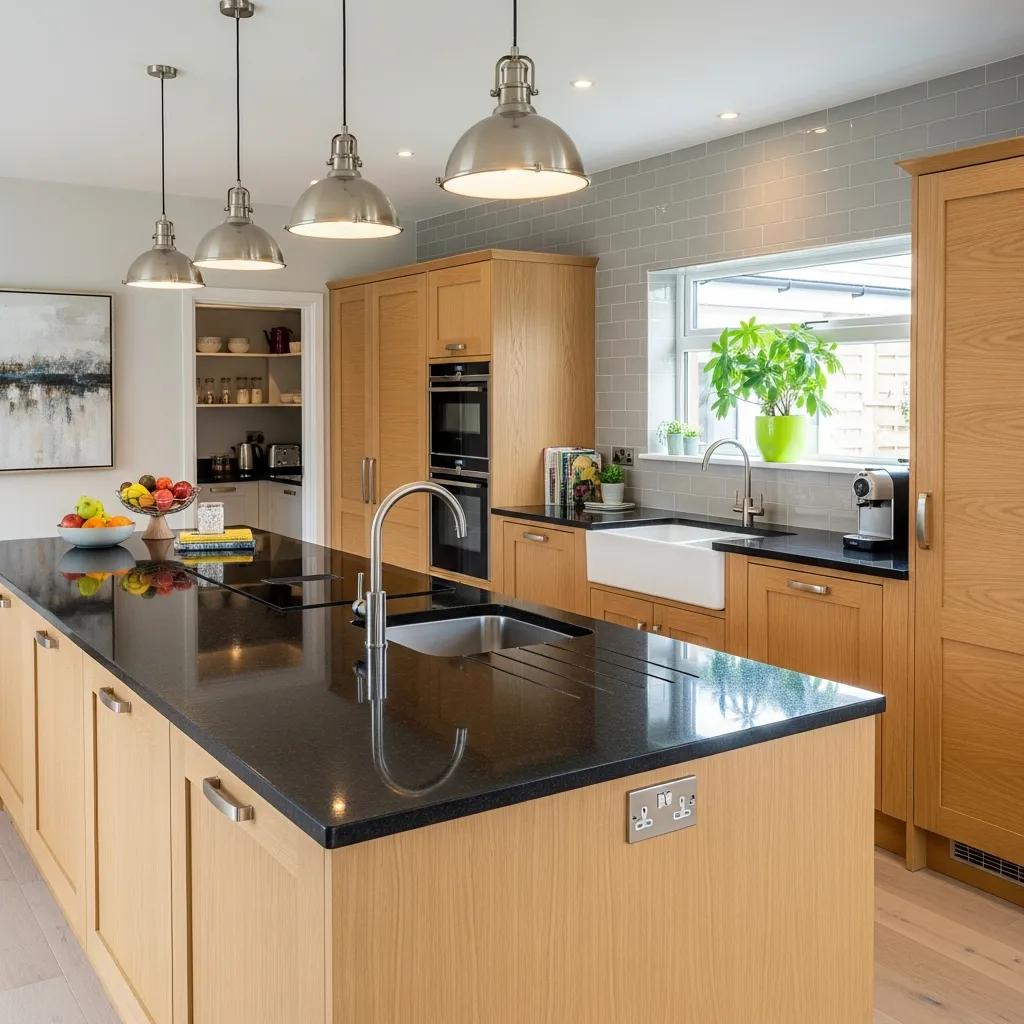
Quality materials improve both look and usability. Granite and quartz provide durable prep surfaces, while solid wood cabinets offer longevity and visual warmth. Choosing materials with proven performance helps create a kitchen that is attractive and practical.
To explore cabinet and countertop options that match your design, see kitchen cabinets and countertops.
What Do Client Testimonials Reveal About Material Quality and Satisfaction?
Testimonials reveal real-world performance, maintenance experiences, and satisfaction with material choices. Look for consistent positive feedback about durability, finishes, and contractor responsiveness when selecting a professional.
Frequently Asked Questions
What should I consider when selecting materials for my kitchen remodel?
Focus on durability, maintenance, and how the material complements your kitchen’s style and daily use.
How can I ensure that my contractor is using high-quality materials?
Ask about sourcing, certifications, sample materials, and past projects; request warranties in writing.
What are the environmental considerations when choosing kitchen materials?
Choose low-VOC finishes, certified wood (e.g., FSC), and recycled or sustainably sourced options when possible.
How do I assess the long-term value of kitchen materials?
Compare expected lifespan, maintenance costs, and replacement frequency against initial cost to judge value.
What role do client testimonials play in evaluating contractors?
Testimonials show consistency in quality and service; prioritize contractors with positive comments about materials and follow-up care.
Are there specific trends in kitchen materials that homeowners should be aware of?
Sustainable materials, natural stone (quartz, granite), mixed-material designs, and low-VOC finishes remain popular trends.
How can I communicate my material preferences to my contractor effectively?
Provide a clear list, images or mood boards, and discuss budget-flexible alternatives during planning meetings.
Conclusion
Material quality drives durability, appearance, and long-term cost in kitchen remodels. Work with experienced contractors who prioritize material standards and clear communication to achieve the best results. Use the guidance here to evaluate options and choose materials that suit your lifestyle and budget.
Contact Our Remodeling & Building Contractors In Pittsburgh For A Quote Today!